
Rhythm and Repetition
On lulling readers into submission

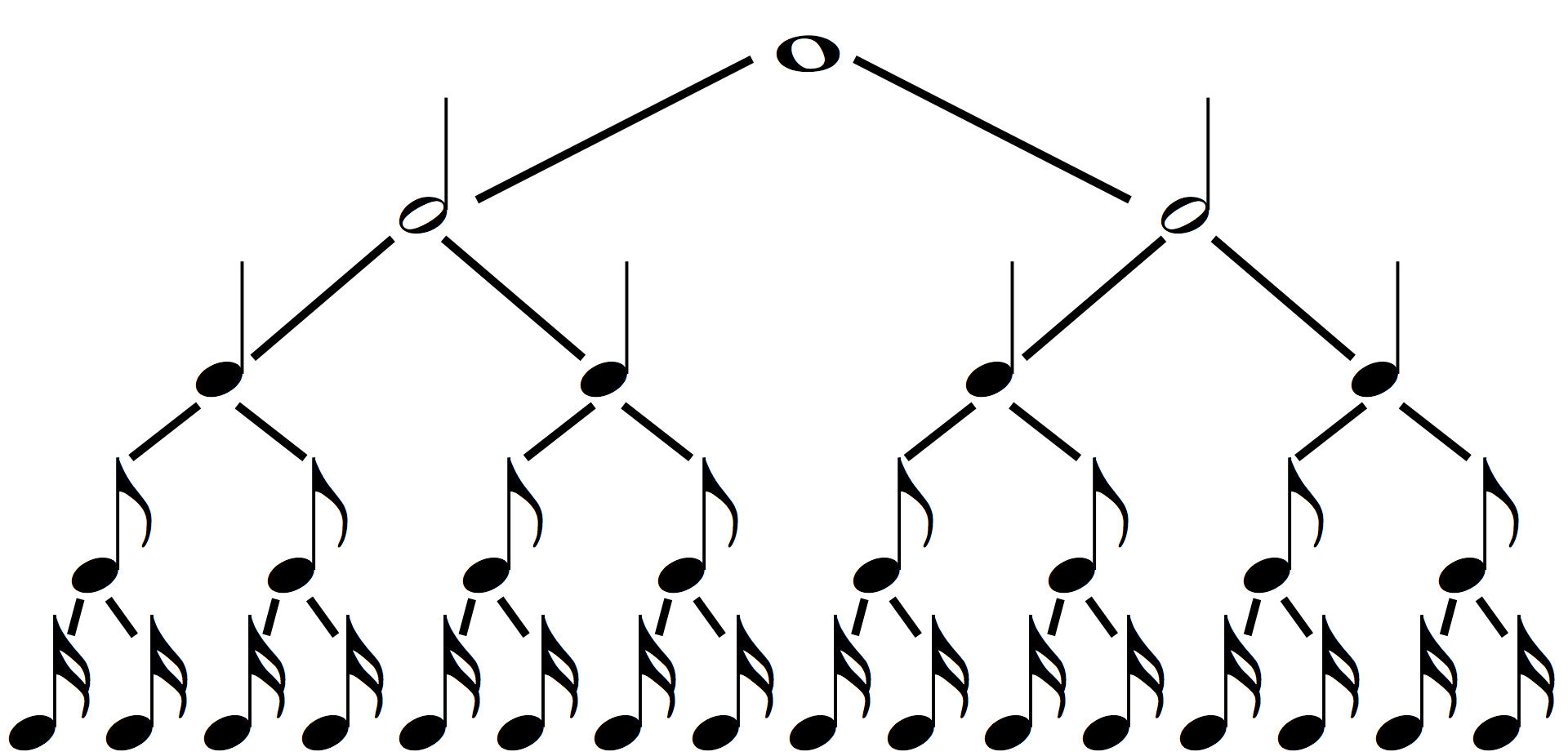
At the risk of repeating myself, maybe I can share something more about how to enhance the rhythm of your language with repetition. We have special words to describe this sort of thing—words like anaphora (reversing of phrases) and chiasmus (repetition of phrases)—but whatever you want to call it, repetition can make sentences sound like music to the ears.
Just listen to Hemingway:
From “A Clean Well-lighted Place” by Ernest Hemingway
It was very late and everyone had left the café except an old man who sat in the shadow the leaves of the tree made against the electric light. In the day time the street was dusty, but at night the dew settled the dust and the old man liked to sit late because he was deaf and now at night it was quiet and he felt the difference. The two waiters inside the café knew that the old man was a little drunk, and while he was a good client they knew that if he became too drunk he would leave without paying, so they kept watch on him.
Notice the use of short one-syllable words—this is a key to rhythm. Notice the words that repeat: late, old man, night, drunk… It has a hypnotic effect. Compare that to the following paragraph by Joyce:
From “Two Gallants” by James Joyce
The grey warm evening of august had descended upon the city and a mild warm air; a memory of summer, circulated in the streets. The streets, shuttered for the repose of Sunday, swarmed with a gaily colored crowd. Like illumined pearls the lamps shown from the summits of their tall poles upon the living texture below which, changing shape and hue unceasingly, sent up into the warm grey evening air an unchanging, unceasing murmur.
A contemporary writer who might be able to hold her own among these titans is Lydia Davis. She’s such a great stylist, in the style of great stylists of the past like Joyce and Beckett. Watch the way the words circulate and listen to the use of repetition in the following excerpt from one of her short stories:
From “Far Below, As A Neighbor” by Lydia Davis
If I were not me and overheard me from below, as a neighbor, talking to him, I would say to myself how glad I was not to be her, not to be sounding the way she is sounding, with a voice like her voice and an opinion like her opinion. But I cannot hear myself from below, as a neighbor, and cannot know how I ought not to sound, I cannot be glad I am not her, as I would be if I could hear her.
Compare that to the following excerpt from Samuel Beckett’s novel, which like Davis’s short story is absurd yet somehow moving at the same time:
From Malone Dies by Samuel Beckett:
Not that Watt felt calm and free and glad, for he did not, and had never done so. But he thought that perhaps he felt calm and free and glad, or if not calm and free and glad, at least calm and free, or free and glad, or glad and calm, or if not calm and free, or free and glad, or glad and calm, at least calm, or free, or glad, without knowing it.
So which is it? This is getting ridiculous, like the language of lawyers—or a Marx Brothers routine. There’s a circular logic to it that relies on repetition, on a neurotic, obsessive voice. And there’s humor in that. And there’s music.
From the Marx Brothers’ A Night at the Opera
Driftwood: Now pay particular attention to this first section because it's most important. It says, "The party of the first part shall be known in this contract as the party of the first part." How do you like that? That's pretty neat, eh?
Fiorello: No. It's no good.
Driftwood: What's the matter with it?
Fiorello: I don't know, let's hear it again.
Driftwood: Says, "The party of the first part shall be known in this contract as the party of the first part."
Fiorello: Sounds a little better this time.
Prompt: rewrite a paragraph by repeating words or reversing phrases, keep circling around a thing until you achieve something similar to the above examples.